0.00€
Checkout
Hydrangea Metalica: A Detailed Guide to the Variety, Cultivation, and Care in Estonia
Introduction - What is this Variety
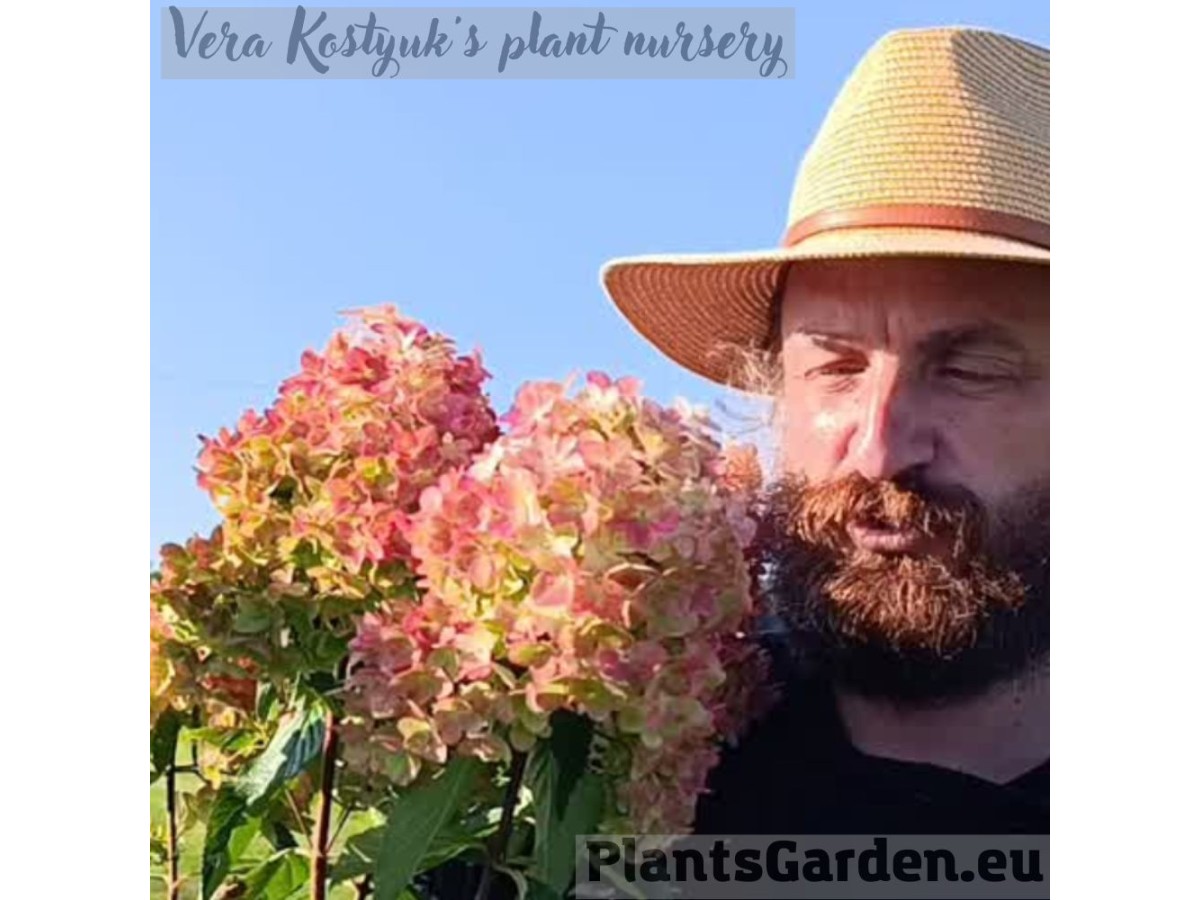
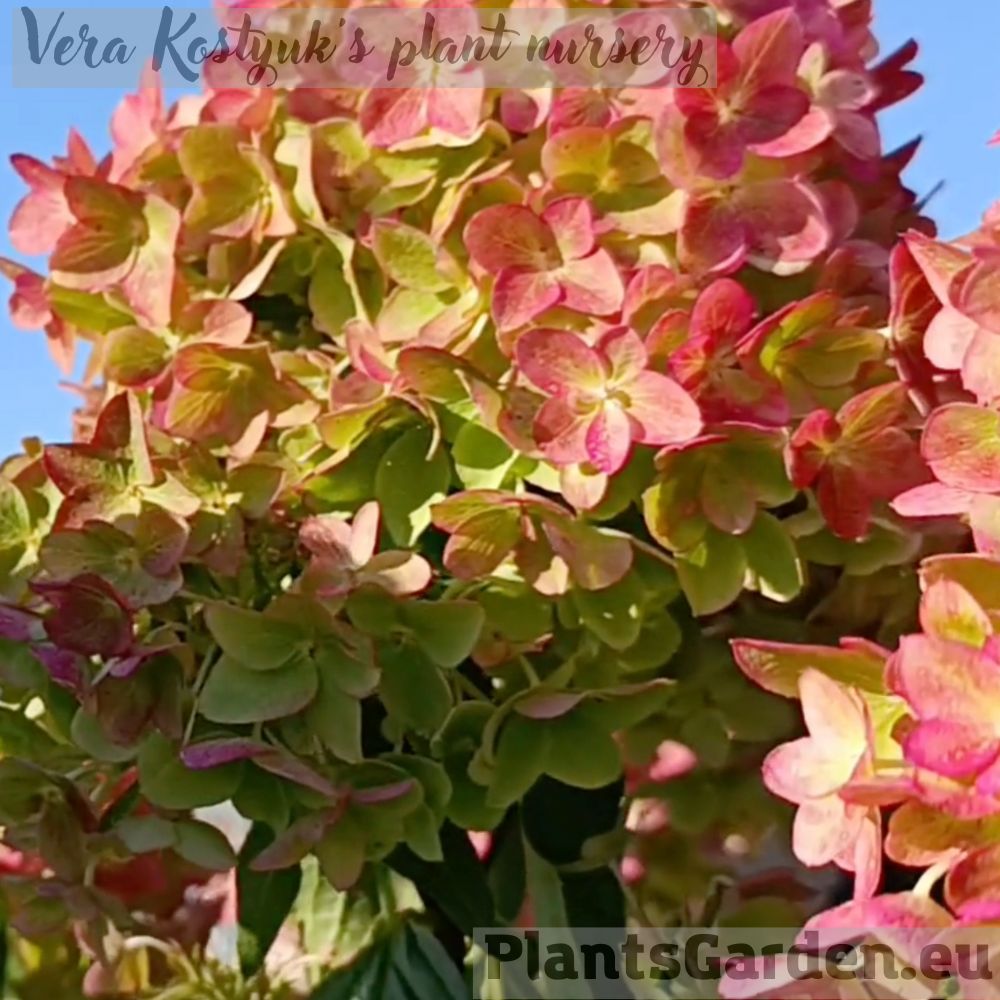
Metalica (trade names Metallica, Renmeta) is a modern Hydrangea paniculata cultivar bred by the Pépinières Renault nursery. The variety stands out with large, dense panicles and unique color dynamics: from lime-green and white in summer to rich burgundy with a "metallic" sheen in autumn.
What is Hydrangea Metalica - Key Features
- Type - Panicle Hydrangea (Hydrangea paniculata).
- Inflorescences - broadly pyramidal panicles 40-50 cm, up to 60 cm with intensive agrotechnology.
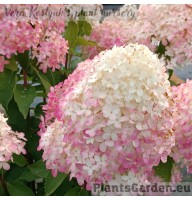
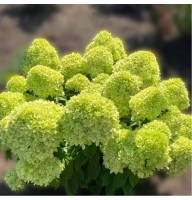
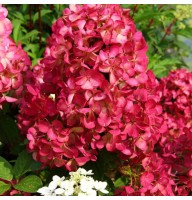
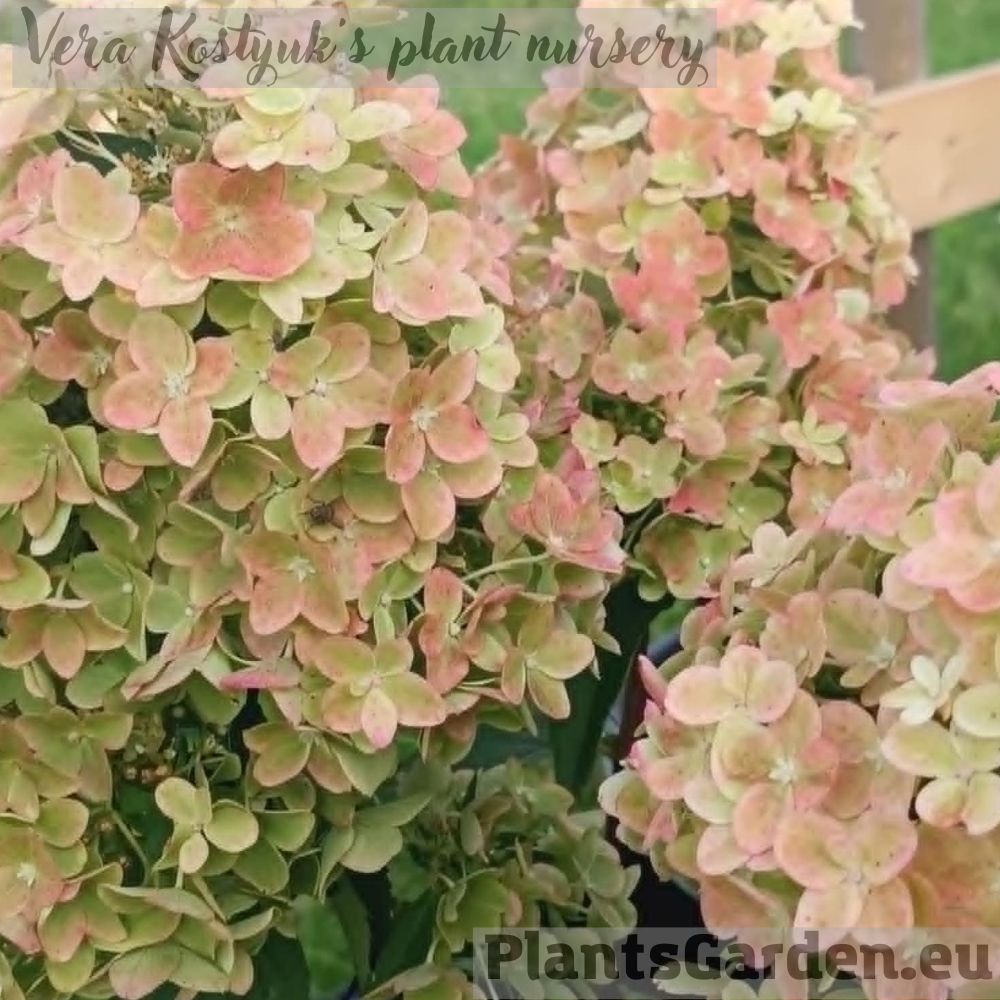
- Color - Lime (start) - pink edge (August) - raspberry-burgundy with a metallic sheen (September-October), especially with cool nights.
- Shoots - upright, strong, reddish-brown.
Frost Resistance
Metalica is declared hardy to USDA zone 4 (approximately down to -34 °C). In Estonia, the variety has good genetic potential for wintering. However, pay attention to two factors:
- frost resistance - the ability to withstand low temperatures;
- winter hardiness - the ability to survive a complex of winter stresses (thaws, lack of snow, freeze-thaw cycles).
Practical tips: mulch the root zone (7-10 cm), plant on the south or south-east side, protect from cold winds. In snowless winters, additional covering with mulch or spruce branches is recommended.
How Fast Does Metalica Grow
- Growth Rate - medium-fast. In the first season with proper planting, it gives noticeable growth; after 2-3 seasons, it usually reaches 1-1.2 m.
- Dimensions - height 1.20 m; width 1.0-1.2 m.
- Growth depends on conditions - in the sun, the bush will be more compact and powerful, in partial shade, the shoots stretch out.
What Neighbors Hydrangea Metalica Dislikes
Metalica is a solitary plant but looks great in compositions. When choosing neighbors, consider the root system and needs for water and acidity.
- Undesirable neighbors - plants with a surface root system (birch, maple, large spruce), they compete for moisture and nutrients.
- Drought-loving plants - lavender, rosemary, thyme - require soil that is too dry and alkaline for hydrangea.
Recommended neighbors - thuja and junipers for the background, astilbes, hostas, heucheras, and spireas for the lower tier. These plants create a texture contrast and maintain moisture at the hydrangea roots.
Bush Dimensions and Shape
- Height - usually 1,0-1.2 m.
- Width - about 1.0-1.2 m.
- Shape - vase-shaped, dense crown, does not require mandatory tying with proper pruning.
Planting and Growing Features
Where to Plant
- Best - in a sunny spot. Bright days and cool nights are required for the "metallic" shade to manifest.
- Protection from cold winds - mandatory, especially on the coast.
Soil and Planting
- Optimal pH 5.0-6.5 - slightly acidic or neutral soil.
- Avoid water stagnation - ensure drainage on heavy clay soils.
- Planting mixture: own soil : acidic peat : compost : sand - in a ratio of approximately 2:1:1:1. Add 50-70 g of superphosphate for root formation.
- After planting - abundant watering of 10-20 L to settle the soil.
- Mulching with a 7-10 cm layer of coniferous bark or wood chips.
Watering
- Critical period - July and August. In dry periods, water 1-2 times a week.
- Water at the root. Sprinkling on leaves and inflorescences is undesirable.
Pruning
- Metalica blooms on the current year's shoots - aggressive annual pruning is allowed.
- Timing - early spring (March - early April), before sap flow begins.
- Originator's scheme: sanitary cleaning + leaving 5-7 strong skeletal branches, shortening last year's growths to 2-3 pairs of buds (nodes).
- Rejuvenation - once every 5-7 years, can be cut to the stump.
Fertilization
Metalica is an intensive type variety, so it requires regular feeding to form large panicles.
- Spring - nitrogen for the start of leaf mass (urea or complex N-fertilizers).
- June (budding) - complex NPK fertilizer with an emphasis on phosphorus and potassium (example 10-20-20).
- August - potassium sulfate or monopotassium phosphate to strengthen shoots and increase winter hardiness; nitrogen is excluded.
- Microelements - iron and magnesium chelates in case of chlorosis signs.
A mulch layer and high-quality compost will ensure long-term nutrition and improve soil structure.
Pests and Diseases - Practical Measures
- Slugs and Snails - traps, iron phosphate-based preparations, mulching with bark.
- Aphids - wash off with water, soap solution, or systemic agents for severe infestation.
- Spider Mite - acaricides during drought and heat.
- Gray Mold and Powdery Mildew - prevention: aeration, removal of affected parts, fungicides if necessary.
- Root Rots - result of moisture stagnation; the key is drainage.
Application in Garden Design and Floristry
- Solitaire - spectacular autumn shades make Metalica the center of the composition.
- Mixborder - combines perfectly with hostas, astilbes, and thujas.
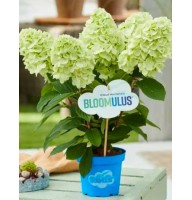
- Containers - suitable for volumes from 30-40 L; for wintering, the container is pre-buried or brought into a cool room.
- Floristry - inflorescences are suitable for cutting and drying; cut in September-October for dried flowers.
Video and Additional Materials
For visual reference, we recommend watching a video of how this variety looks in August:
Want to purchase original and high-quality planting materials? Check out the variety page and the catalog of hydrangeas we grow:
- Panicle Hydrangea Metalica - link to the Metalica plant page in our catalog.
- Hydrangea Catalog - category with other hydrangeas in our catalog.
Brief Conclusions - What to Remember
- Light - sun enhances the metallic effect of the color.
- Soil - humus-rich, moisture-retentive, and with drainage.
- Pruning - hard annual spring shaping for large panicles.
- Fertilization - spring-nitrogen, June-phosphorus and potassium, August-potassium for hardening before winter.
- Watering - critical in summer; avoid drying out.
By following these recommendations, Hydrangea Metalica will become a bright and reliable dominant feature of your garden in Estonia, providing large, expressive inflorescences with a unique metallic sheen.
06/12/2025 21:29:03
Comments:0
Views:225
Comments