0.00€
Checkout
How to Grow and Use Dill 'Mammoth' for a Lush Herb Garden
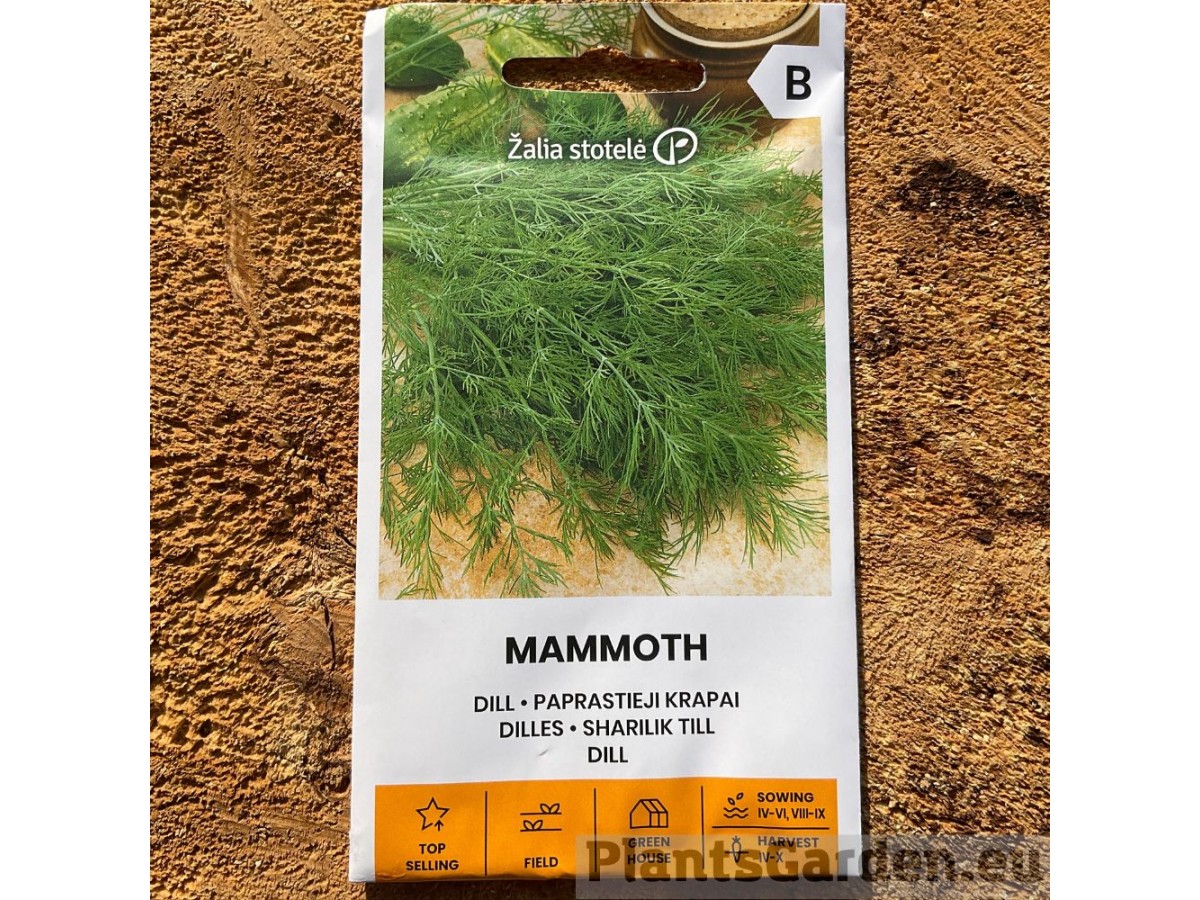
Dill 'Mammoth' is an essential addition to any herb garden, celebrated for its lush, blue-green leaves and large, yellow flower clusters. As a variety of Anethum graveolens, this dill boasts a delicate, slightly sweet, anise-like fragrance that enhances numerous dishes. It is a vigorous grower, reaching heights of up to 1.5 meters, and thrives in sunny spots with well-drained soil. Whether you want to spice up your culinary creations or attract beneficial insects to your garden, Dill 'Mammoth' is a perfect choice.
How to Plant Dill 'Mammoth'
Planting Dill 'Mammoth' is simple, making it suitable even for beginners. Follow these steps to ensure a thriving herb:- Soil Preparation: Choose a spot with full sunlight and well-draining soil. A slightly acidic to neutral pH (6.0-7.0) is ideal for the best growth.
- Sowing Seeds: Directly sow seeds in the garden, about 1 cm deep, after the last frost. Maintain a distance of 15-20 cm between each seed to allow ample room for growth.
- Watering: Keep the soil consistently moist but not waterlogged during germination, which usually takes 7-14 days.
- Thinning: Once the seedlings have grown to about 5 cm tall, thin them out to about 20 cm apart for optimal spacing.
Growing Tips for a Healthy Dill 'Mammoth'
To ensure a bountiful harvest, consider these care tips:
- Sunlight: Dill 'Mammoth' thrives in full sun, needing at least 6-8 hours of sunlight per day. This helps the plant develop its aromatic oils, making the leaves more flavorful.
- Watering: Regular watering is essential, especially during dry spells. Aim for even moisture, but avoid waterlogged soil as it can lead to root rot.
- Fertilizing: While dill doesn't require heavy feeding, applying a balanced, organic fertilizer once or twice during the growing season can encourage lush growth.
- Pruning: To promote bushier growth and delay flowering, pinch back the tops when the plants reach about 30 cm in height.
- Companion Planting: Dill 'Mammoth' pairs well with vegetables like cabbage, onions, and cucumbers, as it helps deter pests like aphids and cabbage loopers.
Harvesting Dill 'Mammoth'
Knowing when and how to harvest dill ensures maximum flavor and freshness. Here’s what to keep in mind:
- Harvesting Leaves: Start harvesting the feathery leaves when the plant reaches 20-30 cm in height. Use a sharp pair of scissors to snip the leaves in the morning for the best flavor.
- Harvesting Seeds: Allow the yellow flower heads to mature fully if you wish to collect dill seeds. Once the seeds turn brown and dry, cut the flower heads and place them in a paper bag to dry completely.
- Storing: Fresh dill leaves can be kept in the refrigerator for up to a week. Alternatively, you can dry or freeze the leaves for longer storage.
Regular harvesting encourages new growth and prolongs the plant’s productive life. Remember, if you cut the flowers early, the plant will continue to produce fresh leaves longer.
Using Dill 'Mammoth' in the Kitchen
Dill 'Mammoth' is versatile in the kitchen, offering a fresh, tangy flavor that complements many dishes:
- Salads and Dressings: Chop fresh dill leaves and sprinkle them over salads or blend into creamy dressings for a burst of flavor.
- Seafood Dishes: Dill pairs exceptionally well with fish, enhancing the taste of dishes like salmon, trout, and shrimp.
- Pickling: The strong flavor of Dill 'Mammoth' makes it perfect for pickling cucumbers and other vegetables.
- Herb Butters and Sauces: Mix finely chopped dill with softened butter or add it to yogurt-based sauces for a fresh twist.
With its aromatic leaves and seeds, Dill 'Mammoth' is a must-have herb for any food enthusiast who enjoys experimenting with flavors.
Pest and Disease Management
Although dill is generally low-maintenance, it's important to watch for common garden pests and diseases:
- Aphids: These tiny insects can be controlled by spraying the plants with a gentle soap and water solution or introducing beneficial insects like ladybugs.
- Powdery Mildew: This fungal disease can develop in humid conditions. Ensure proper spacing between plants for good air circulation and water at the base of the plant to keep the foliage dry.
- Caterpillars: The larvae of swallowtail butterflies love dill but usually don't cause significant damage. Hand-picking them off the plants can help manage their population.
Why Choose Dill 'Mammoth' for Your Garden?
Dill 'Mammoth' stands out among dill varieties for several reasons:
- Vigorous Growth: Its larger size makes it perfect for those looking to maximize their harvest of both leaves and seeds.
- Attracts Pollinators: The large, umbrella-like yellow flowers attract beneficial insects, including bees and hoverflies, which help with pollination in your garden.
- Versatile Use: From fresh garnishes to essential pickling spice, this herb is incredibly versatile in culinary applications.
With proper care, Dill 'Mammoth' can provide a continuous supply of flavorful leaves throughout the growing season, making it a rewarding addition to any herb garden.
24/10/2024 16:45:37
Comments:0
Views:1221
Comments