0.00€
Checkout
Early Watermelons in Estonia: Which Varieties to Choose and How to Achieve a Good Harvest
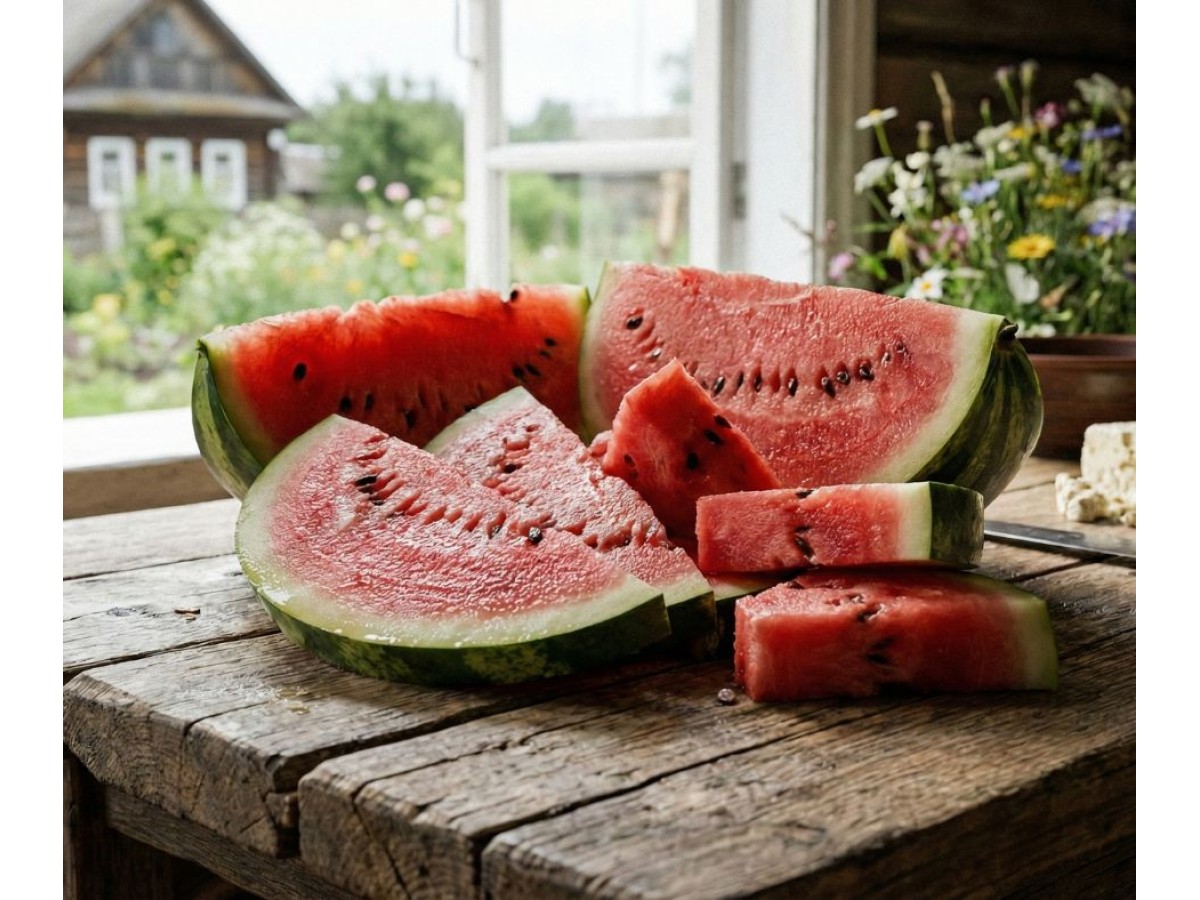
Watermelons in Estonia: Best Early Varieties and Proven Growing Methods
Do you want to enjoy aromatic and sweet watermelon straight from your garden, but doubt it's possible in a cool climate? In fact, growing watermelons in Estonia is quite realistic if you choose the right varieties and take the specifics of the local summer into account. In this article, we will look at the most reliable early varieties — Sugar Baby, and the bright Janosik, and discuss the conditions they require.
You will learn why varieties like Charleston Gray are better left for the greenhouse, how to properly prepare seedlings, and the advantages of using "black plastic mulch" on your beds. This review is a practical guide to seed selection and agrotechnology for northern regions.
Introduction: Watermelons in the North are Possible
Until recently, it seemed that watermelons could only be grown in southern countries where summers are hot and sunny. But modern breeding developments and the appearance of ultra-early hybrids have radically changed the situation. Today, watermelons grow successfully even in Estonia and the Baltic states.
We analyze varieties such as Sugar Baby, Janosik, Crimson Sweet, Charleston Gray, and Orangeglo in detail — and compare their performance with the real climate conditions of northern latitudes.
Estonian Climate: What Can Hinder Watermelon Growing?
Soil Temperature
Watermelon roots are sensitive to cold: the plant receives full nutrition only when the soil temperature is at least 15–16°C. If the ground is colder, growth slows down. In Estonia, the soil warms up to the optimal 18–20°C only by mid-June, so sowing seeds directly into the garden bed is pointless — seedlings are necessary.
Long Daylight Hours
Summer days in Estonia are long — up to 19 hours of sunlight. This helps compensate for the lack of heat and boosts photosynthesis. But if night temperatures drop below 10°C, the watermelon experiences stress, which stunts development.
Humidity and Diseases
By the end of summer, the risk of fungal diseases increases, especially fusarium and anthracnose. Therefore, it is important to choose resistant or hybrid varieties.
Best Early Watermelon Varieties for Estonia
Below we answer important questions:
- What are early watermelon hybrids? — These are F1 lines that grow faster and resist diseases better.
- Which variety is considered the earliest? — Undoubtedly, Sugar Baby.
- Which varieties show the best results in Estonia? — Sugar Baby, Janosik.
Sugar Baby — Compact and Reliable
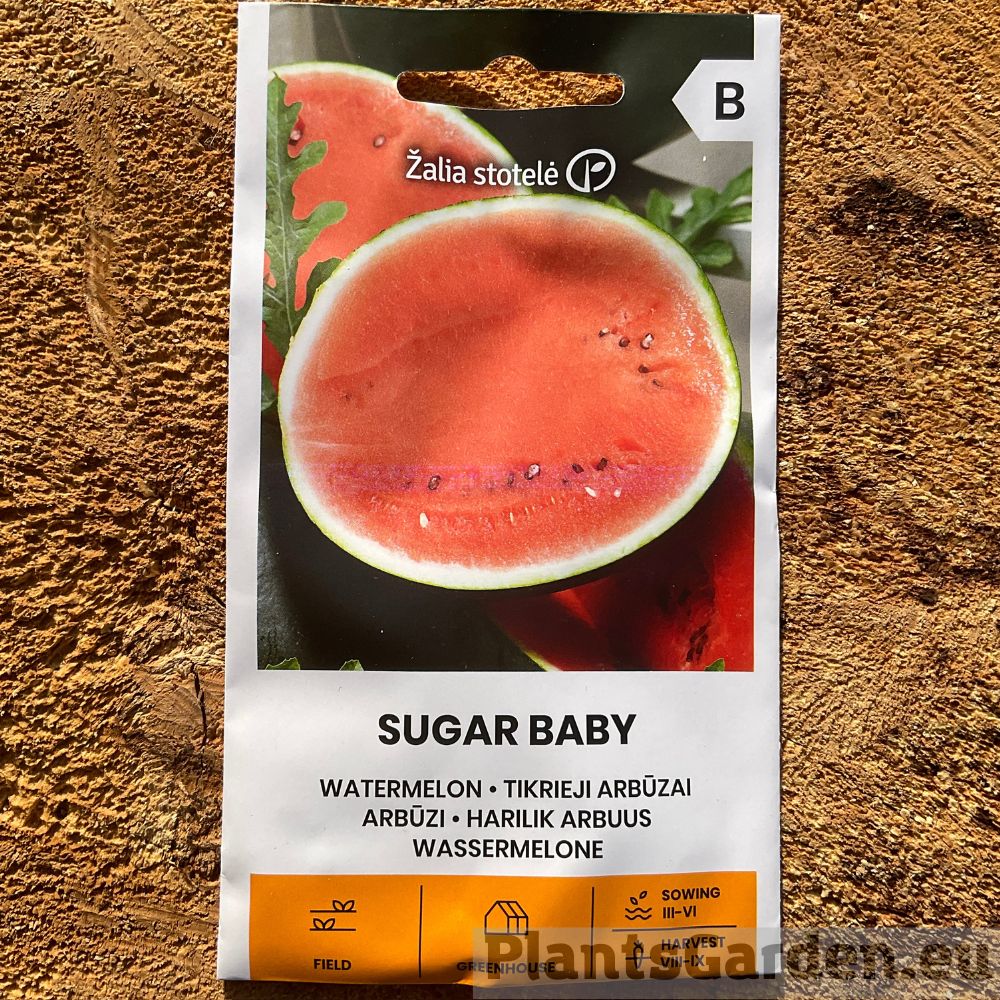
A popular variety grown since the middle of the last century.
Fruits: 3–5 kg, round, dark green.
Maturity: 80–90 days.
Advantages: small plant size, tough rind, well suited for greenhouses and temporary shelters.
Janosik — Bright Yellow Flesh and Reliable Yield

Polish selection variety, perfectly suited for cool regions.
Fruits: weight 3.5–5.5 kg.
Feature: deep yellow flesh with a honey taste.
Maturity: 85–95 days.
Pros: good cold tolerance and stable yield.
Megacrimson H and Crimson Sweet — Tasty but Late
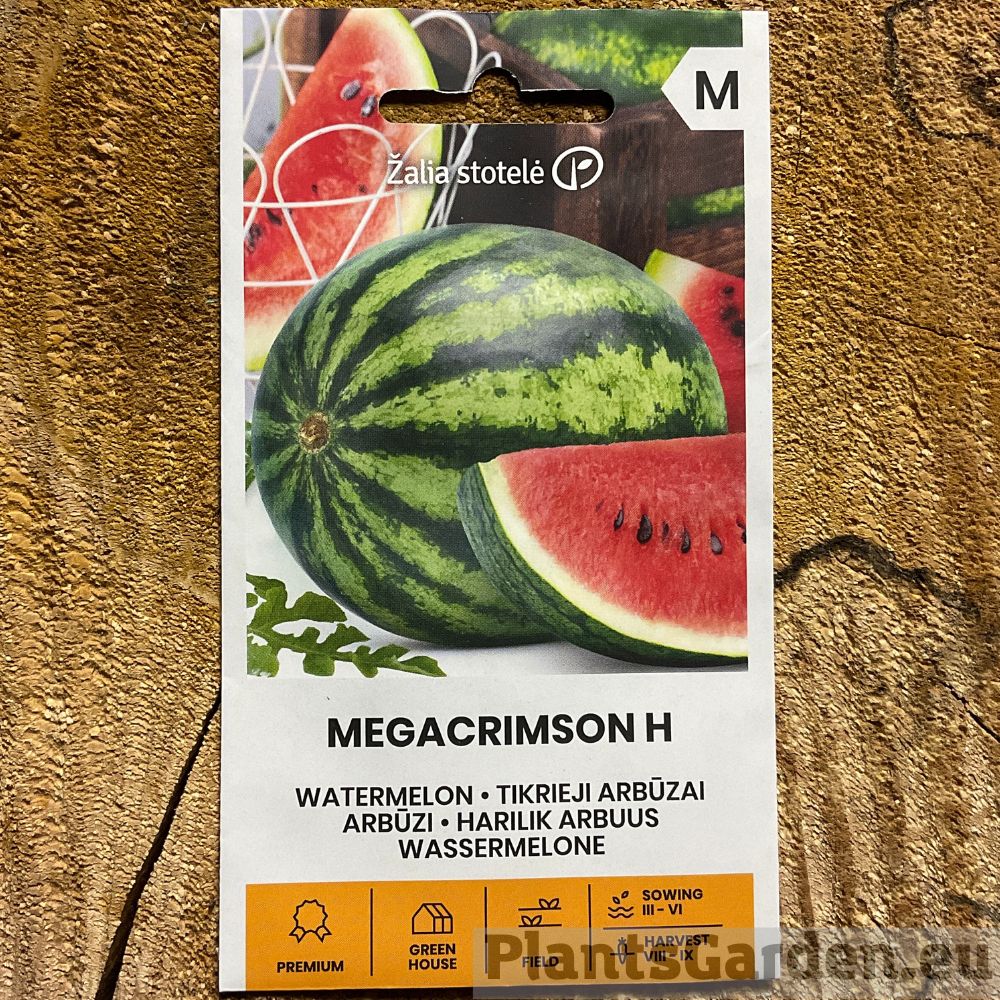

Both varieties are known for their excellent crisp flesh and large fruits. However, a ripening period of 95–105+ days makes them risky for open ground. Recommended for greenhouses and warm beds.
Charleston Gray — Large-Fruited Southerner

Old American variety with elongated fruits.
Weight: up to 15 kg.
Maturity: over 110 days.
Requires a warm greenhouse — too late for open ground.
Orangeglo — Rarity with Tropical Notes

Gourmet variety with deep orange flesh.
Maturity: 110+ days.
Downside: brittle rind and low cold tolerance.
Grown exclusively in greenhouses.
Agrotechnology: What to Consider
1. Proper Seedlings
- Sowing: April 20–25.
- Individual pots 0.5–0.8 L.
- Germination: 25–30°C.
- After sprouting: 18–20°C day and 15–16°C night.
2. Grafting onto Lagenaria
Significantly increases resistance to cold soil and infections.
3. Bed Preparation
- Planting in open ground: June 5–10.
- Black plastic mulch helps warm the soil and prevent weeds.
- Light covers for the first few weeks accelerate growth.
4. Bush Training
It is optimal to leave 2–3 fruits so that they fully ripen.
Watermelon Protection and Harvest
Disease Prevention
- crop rotation,
- mulching,
- resistant varieties,
- copper and biological preparations.
How to Determine Ripeness?
- the tendril near the fruit stem must be completely dry;
- the ground spot becomes bright yellow;
- the sound when tapping is hollow.
Conclusion
For a stable harvest, choose: Sugar Baby — compact and undemanding; Janosik — an unusual and tasty option with yellow flesh.
Early hybrids are the best choice for Estonia. With proper agrotechnology, even a cool summer won't be an obstacle.
04/12/2025 19:43:38
Comments:0
Views:575
Comments