0.00€
Checkout
Fertilizing Panicle Hydrangeas in Estonia: A Complete and Simple Guide for Gardeners
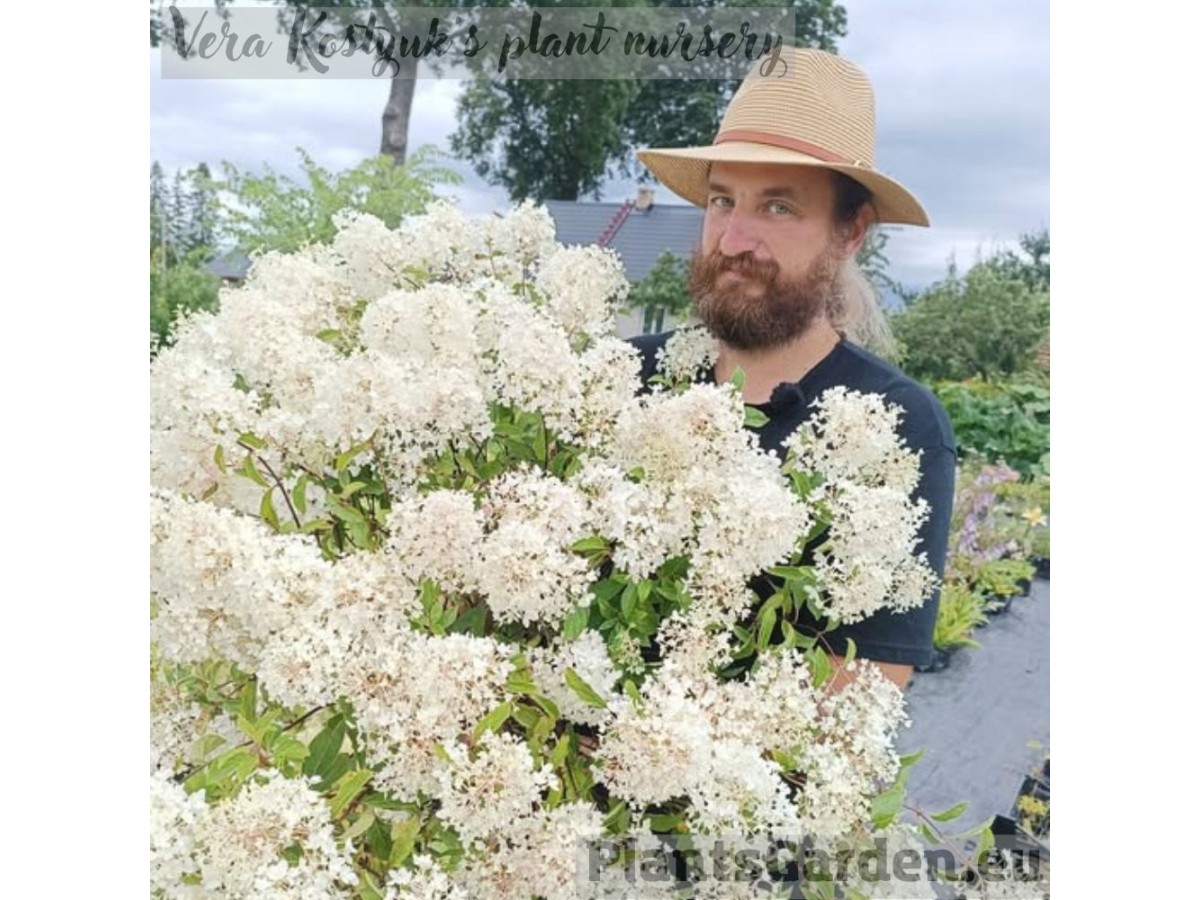
Fertilizing Panicle Hydrangeas in Estonia: An Expert Guide
Panicle Hydrangea feels great in the Estonian climate due to its high winter hardiness and ability to form flower buds on the current year's shoots. But to get massive, dense, and bright inflorescences, the plant needs competent nutrition. And you can always purchase high-quality Panicle Hydrangea plants in our catalog plantsgarden.eu.
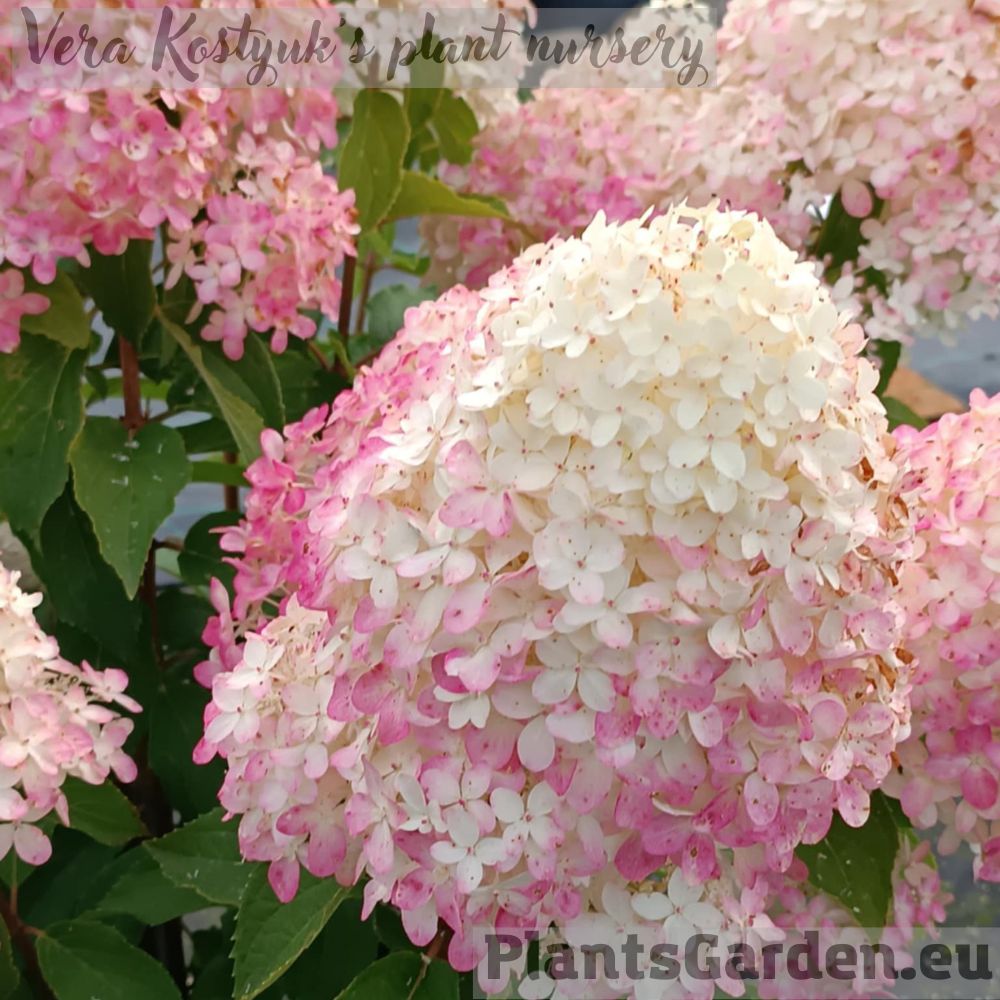
Which Fertilizer is Best for Panicle Hydrangeas
Hydrangea grows actively in spring and forms buds in early summer, so balanced fertilizers are especially important for it.
Key elements necessary for hydrangeas:
- Nitrogen (N) for growing greenery and new shoots.
- Phosphorus (P) for forming buds and root systems.
- Potassium (K) for strong shoots and flowering quality.
- Magnesium and Sulfur support leaf health.
Which fertilizers fit best:
- Spring: universal NPK 10-10-10, 12-8-12, 14-10-18.
- Summer (June July): potassium fertilizers NPK 8-4-12 or 5-3-12.
- Autumn (August September): only potassium and phosphorus.
When and How to Fertilize Panicle Hydrangea
1. Spring Feeding (April May)
- Application of the first granular NPK fertilizers.
- Mulching with peat or compost.
- Watering with warm water after feeding.
Important: fertilizers only work in warm soil.
2. Summer Feeding (June July)
- Liquid fertilizers for hydrangeas or rhododendrons every 2 weeks.
- Increased potassium content for bloom quality.
- At signs of chlorosis — treatment with iron chelates.
Nitrogen is allowed only until July 20th. After this date, it is harmful.
3. Autumn Feeding (August September)
- Fertilizers with high potassium content.
- The goal is to strengthen shoots before wintering.
- Feeding stops after mid-September.
Fertilizing with Home Remedies: What Works
Folk methods are suitable as a mild additive to the main nutrition. Here are the options that really work:
- Pine needles and bark maintain acidic pH.
- Compost improves fertility and soil microflora.
- Herbal infusion mild nitrogen feeding.
- Banana peel infusion potassium support in summer.
- Citric acid helps with chlorosis.
Categorically forbidden: using ash. It alkalizes the soil and causes chlorosis.
Common Mistakes When Fertilizing Hydrangeas
- Excessive nitrogen leads to brittle shoots.
- Late feeding causes unripened shoots and freezing in winter.
- Feeding in cold soil is useless.
- Using ash sharply increases pH.
Conclusion
For the Panicle Hydrangea to delight you with large flower heads, follow three rules:
- Nitrogen in spring.
- Potassium in summer.
- Phosphorus and potassium in autumn.
And do not forget: a healthy and powerful bush starts with the right planting material. High-quality Panicle Hydrangea plants can be purchased in our catalog plantsgarden.eu.
05/12/2025 20:53:22
Comments:0
Views:1183
Comments