0.00€
CheckoutGuide to Strawberry Varieties Alba, Asia, Senga Sengana, and Christine
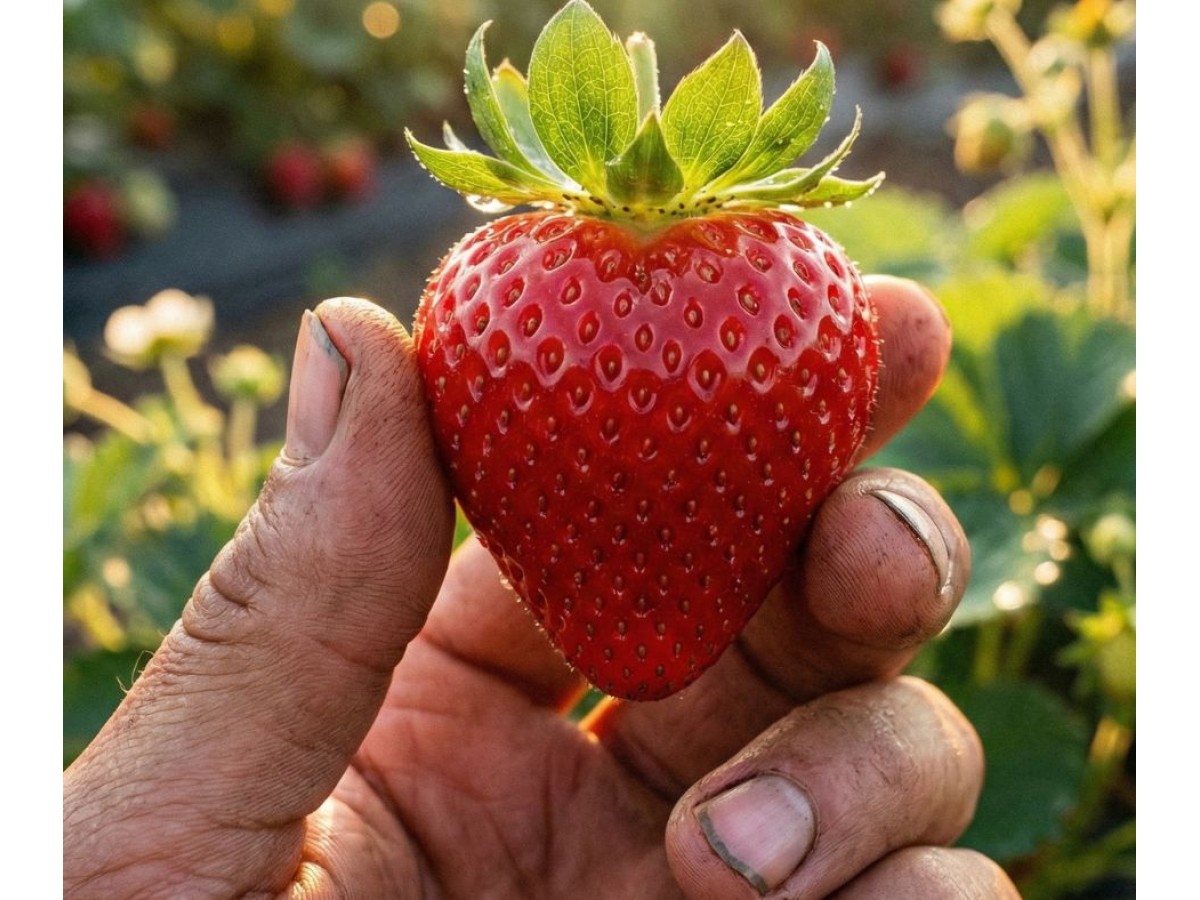
Assembling a "Dream Team" for Your Garden
Our region (the Baltic States) is unique: short summers, unstable winters, and a damp harvest period. Under such conditions, relying on just one strawberry variety is a risky strategy.
The secret to the success of experienced gardeners lies in diversification. The modern assortment allows selecting varieties so that they insure and complement each other. Some give us the first early joy, others surprise with giant size and taste, and third ones guarantee that we won't be left without jam even after a harsh winter.
In this review, we will examine four varieties in detail, each being a leader in its niche: Alba, Asia, Senga Sengana, and Christine. We will help you understand their strengths and find the perfect place for each on your plot.
Alba: Stability and Early Start
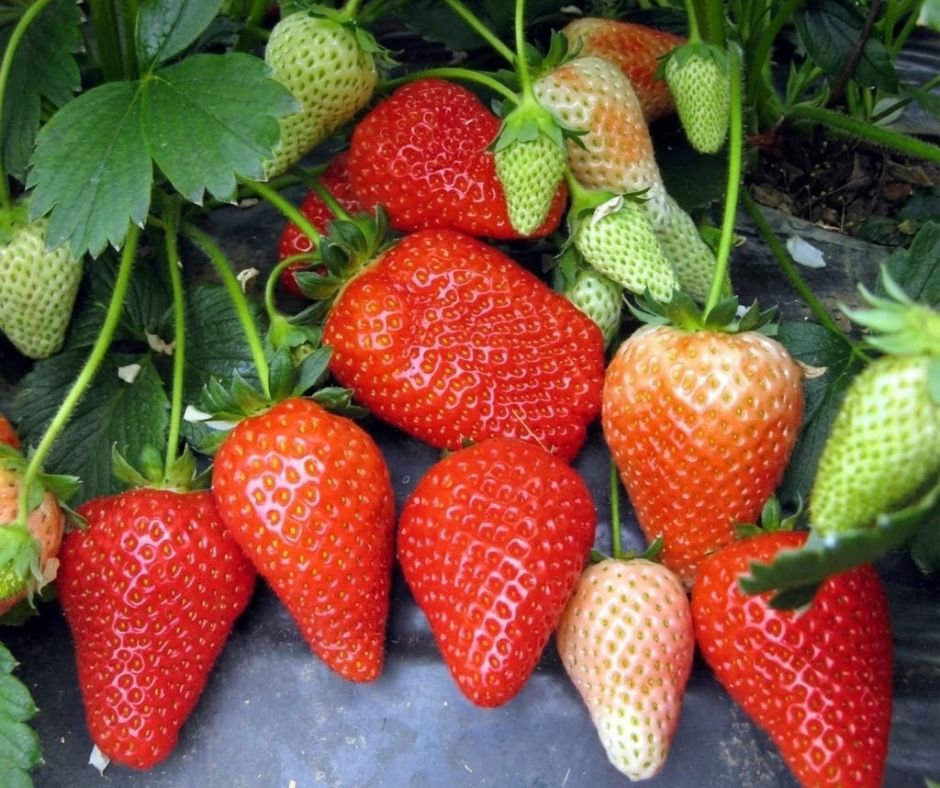
If your goal is to get local berries as early as possible, ahead of neighbours, then the Italian variety Alba is your reliable choice.
Main Advantages
- Ultra-early ripening: Alba requires less heat to start vegetation, allowing it to open the season as one of the first.
- Stable berry size: This is a rare quality for early varieties. Alba berries retain large size (25–30 g) throughout almost the entire harvest period, not becoming small at the end.
- Root system health: The variety possesses resistance to root diseases, particularly Verticillium wilt and crown rot (Phytophthora), which allows growing it even where crop rotation has not been ideal.
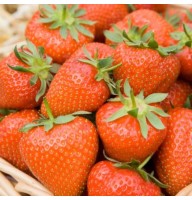
- Appearance: Berries have a regular conical shape and glossy shine, making them very attractive.
Agrotechnical Features
Since Alba blooms very early, there is a risk of flowers being hit by frosts in the Estonian climate. To reveal the variety's potential 100%, it is recommended to use fleece (floating row covers) in spring. This will not only save the harvest but also accelerate ripening.
>>> Book Alba plants (for early harvest) for Spring 2026
Asia: Premium Taste and Aesthetics
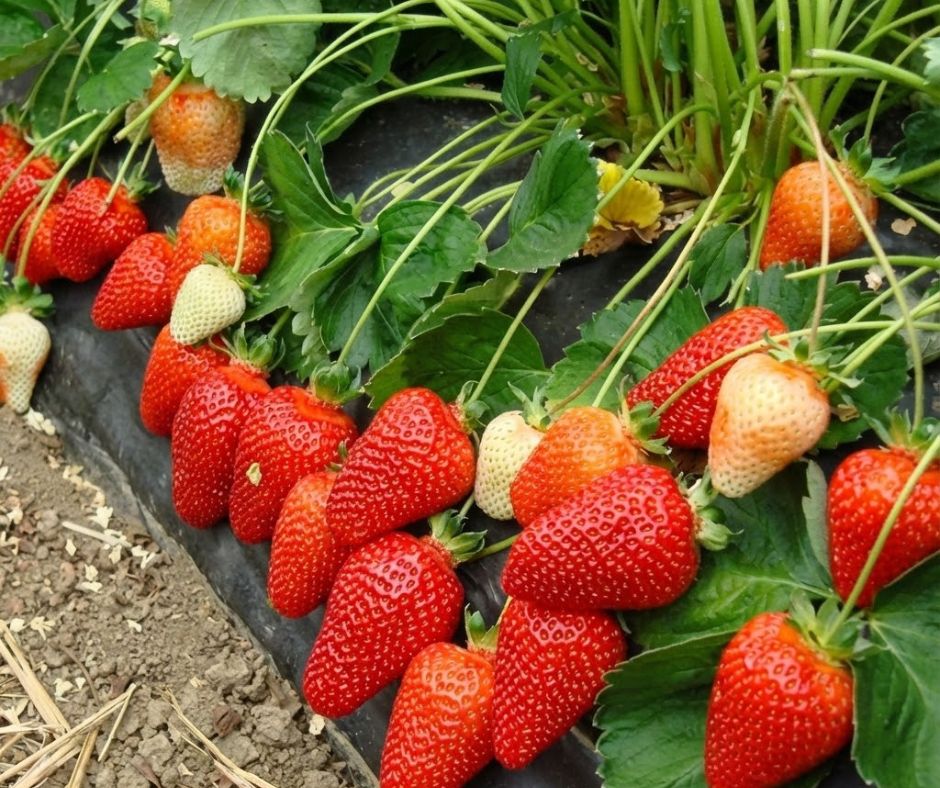
The variety Asia is created for enjoyment. This is the choice for those who prioritize taste, aroma, and berry size. In the Baltics, this variety has become the quality standard for the fresh market.
Main Advantages
- Impressive size: Berries are very large, often exceeding 35–40 g. The first fruits can be huge and comb-shaped, causing delight.
- Dessert taste: Asia is famous for high sugar content (Brix) and pleasant aroma. It is the perfect berry for eating straight from the bush.
- Convenient schedule: It ripens 4–5 days later than early varieties (like Alba), taking over the fruiting baton.
Agrotechnical Features
Asia is an intensive type variety. It forms powerful bushes, so it requires sparse planting to ensure ventilation. The variety is sensitive to soil moisture, so on heavy clay soils in Estonia, it shows best results when grown on raised beds. Also, don't forget magnesium and calcium fertilisation for maximum sweetness.
>>> Book Asia plants (premium taste) for Spring 2026
Senga Sengana: Tradition and Guaranteed Result
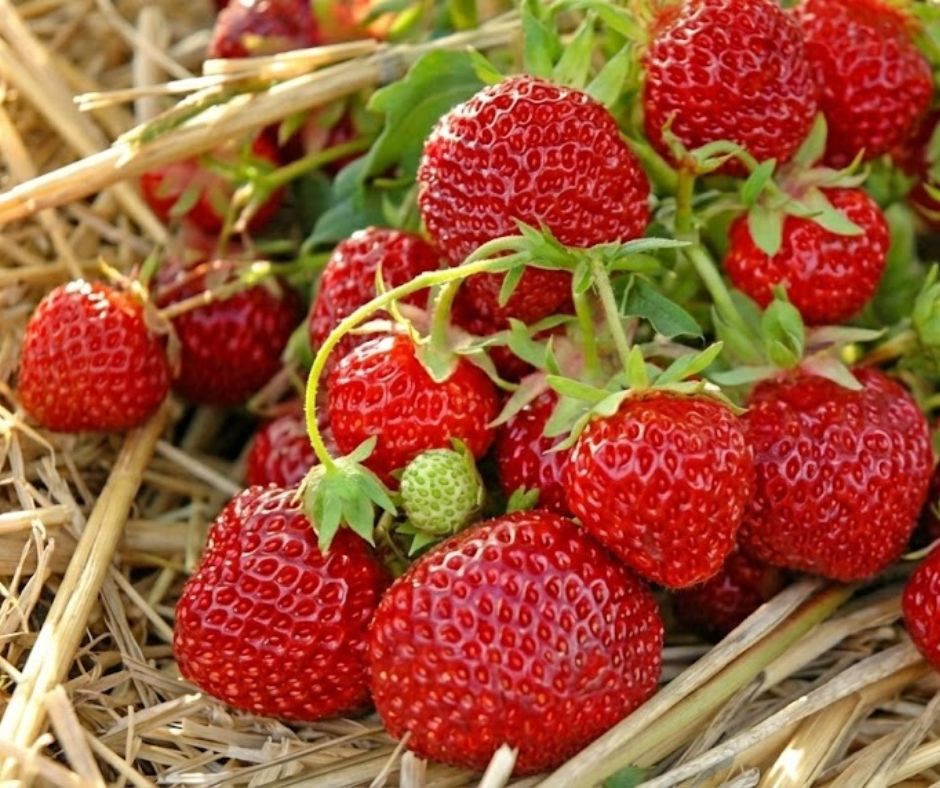
German classic from 1954, Senga Sengana, occupies a unique niche. It is an "insurance" variety and the queen of processing. Even in the most difficult years, Senga will not let you down.
Main Advantages
- Exceptional winter hardiness: Trials showed that this variety has the highest survival rate in our climate, recovering perfectly even after harsh winters.
- Avoiding spring risks: The variety starts vegetation and flowering late, thanks to which it successfully avoids late May frosts.
- Ideal for processing: Berries have a dark red colour throughout the flesh and a strong wild strawberry aroma. It is the best choice for freezing and jam — berries retain texture and shape.
- Benefits: Fruits are rich in antioxidants and bioactive compounds.
Agrotechnical Features
Senga Sengana bushes are dense and leafy. In a rainy summer, this can promote the development of grey mould (Botrytis). The solution is simple: plant bushes sparsely and do not over-fertilise with nitrogen. This ensures ventilation and saves the harvest.
>>> Book Senga Sengana plants (for processing) for Spring 2026
Christine: Health and Ecology
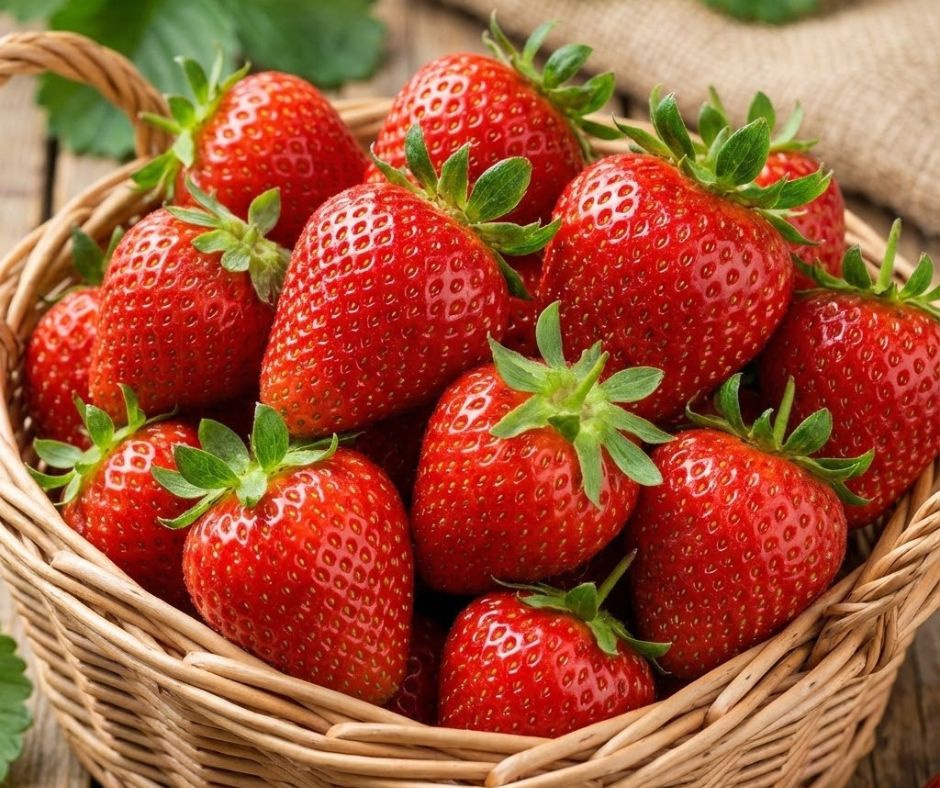
British variety Christine is a find for proponents of organic farming and owners of "tired" soils. It combines earliness with unique resilience.
Main Advantages
- Disease resistance: A key feature of Christine is high field resistance to Verticillium wilt. This makes the variety indispensable for plots where potatoes or tomatoes were previously grown.
- Ultra-early start: Like Alba, it opens the berry season, allowing to get harvest at the earliest dates.
- Bright taste: Berries are sweet and aromatic. An interesting feature: they acquire an orange-red colour and become sweet even before fully darkening.
Agrotechnical Features
To prevent Christine berries from becoming small at the end of harvest, ensure sufficient watering during the fruiting period. The variety is well adapted to cool climates, confirmed by Scandinavian experience.
>>> Book Christine plants (resistant and early) for Spring 2026
Summary Table
To make the choice easier, we have highlighted the key role of each variety in your garden:
- Alba: Sprinter. Gives a beautiful, firm berry earlier than everyone else. Your choice for the first harvest and sales.
- Christine: Healer. Early berry for plots with a complex history (potato fields) and those who value disease resistance.
- Asia: Gourmet. Variety for enjoying taste in the middle of summer. The largest and sweetest, requires care (raised beds), but rewards abundantly.
- Senga Sengana: Keeper. Late variety that will fill your stocks with jam and frozen berries, even if the winter was harsh.
Planting Tips for Baltic Conditions
For all these varieties to delight you with harvest, it is important to consider the specifics of our region:
1. Soil Preparation
Strawberries love slightly acidic soil (pH 5.5–6.5). Since soils in Estonia often tend to become waterlogged, raised beds 20–30 cm high are strongly recommended for sensitive varieties (especially Asia). This saves roots from soaking.
2. Winter Protection
Despite different winter hardiness, mulching with straw in late autumn (after the soil freezes 2–3 cm deep) is beneficial for all varieties. This protects not so much from cold as from root tearing due to temperature fluctuations characteristic of our winters.
3. Planting Scheme
For powerful Senga Sengana and Asia bushes on fertile soils, use a scheme of 40–50 cm between plants. Free air circulation is the best disease prevention without chemicals.
Conclusion
A correctly selected assortment turns gardening from a struggle with climate into pleasure. By planting early Alba or Christine, you will greet summer with the first berries. Mid-early Asia will give you dessert enjoyment at the peak of the season. And reliable Senga Sengana will ensure sweet memories of summer during long winter evenings.
We recommend booking plants in advance, as demand for quality planting material is growing. "Frigo" category plants (virus-free, chilled) are a professional standard now available to amateurs as well.
Book your future harvest right now:
29/12/2025 22:22:29
Comments:0
Views:2851
Comments